
Table of Contents
ToggleZelda stands as one of the most influential video game franchises in history. Since its 1986 debut, this Nintendo series has captivated millions of players across multiple generations. The franchise combines action, adventure, and puzzle-solving into experiences that feel fresh with every new release. Whether players are exploring vast open worlds or solving ancient dungeons, Zelda delivers a sense of wonder that few games can match. This guide covers everything fans need to know, from the series’ humble beginnings to its massive cultural footprint.
Key Takeaways
- The Zelda franchise debuted in 1986 and has sold over 140 million copies, making it one of the most influential video game series in history.
- Core Zelda gameplay blends action, exploration, and puzzle-solving with iconic items like the Master Sword, Hookshot, and Bombs.
- Ocarina of Time (1998) pioneered 3D action-adventure mechanics, while Breath of the Wild (2017) redefined open-world game design with unprecedented player freedom.
- The series has shaped gaming culture by introducing industry-standard mechanics like auto-targeting combat and context-sensitive controls.
- Zelda’s legacy extends beyond games into merchandise, manga, speedrunning communities, and an upcoming live-action film from Nintendo.
The Origins and Evolution of the Series
The Legend of Zelda launched in Japan on February 21, 1986, for the Famicom Disk System. Creator Shigeru Miyamoto drew inspiration from his childhood explorations in the forests and caves near Kyoto. He wanted players to experience that same sense of discovery and adventure.
The original Zelda game introduced players to Link, a green-clad hero tasked with rescuing Princess Zelda and defeating the villain Ganon. The game featured an open world that players could explore freely, a revolutionary concept at the time. It also introduced the battery-backed save feature, allowing players to continue their progress.
Zelda II: The Adventure of Link (1987) took a different approach with side-scrolling action and RPG elements. While divisive among fans, it showed Nintendo’s willingness to experiment. A Link to the Past (1991) returned to the top-down perspective and introduced the Dark World mechanic. Many consider it the template for future Zelda games.
The series made a landmark transition to 3D with Ocarina of Time (1998) on the Nintendo 64. This entry pioneered Z-targeting combat and time-based gameplay mechanics. Critics and players praised it as a masterpiece. The Wind Waker (2002) brought cel-shaded graphics and ocean exploration, while Twilight Princess (2006) offered a darker, more mature tone.
Breath of the Wild (2017) reimagined the Zelda formula entirely. It gave players an enormous open world with unprecedented freedom. Players could approach challenges in countless ways. Tears of the Kingdom (2023) expanded on this foundation with new building mechanics and vertical exploration. The Zelda franchise continues to evolve while honoring its roots.
Iconic Gameplay Elements That Define the Experience
Several core elements make Zelda games instantly recognizable. Dungeons serve as the backbone of most entries. These self-contained areas challenge players with puzzles, enemies, and boss battles. Each dungeon typically rewards Link with a new item or ability.
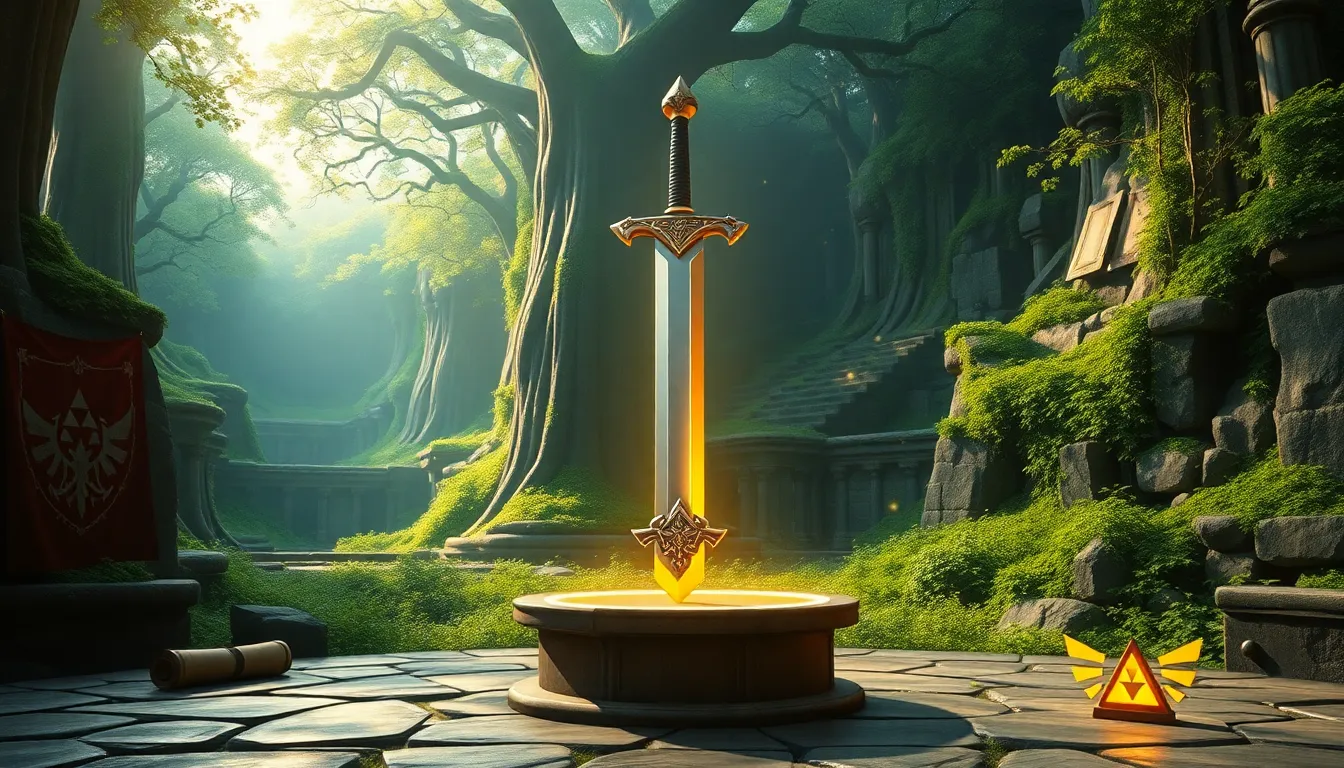
Items and tools define how players interact with the world. The Master Sword, Link’s signature weapon, appears in most Zelda titles. Bombs blast through weak walls. The Hookshot lets Link cross gaps and stun enemies. Bows provide ranged combat options. Each item often serves multiple purposes in both combat and puzzle-solving.
Zelda games reward exploration heavily. Heart Containers increase Link’s health. Hidden caves contain rupees (the in-game currency) and useful items. Secret areas often require creative thinking or specific tools to access. This encourages players to examine every corner of the map.
The franchise balances action with brain-teasing puzzles. Players push blocks, activate switches, and manipulate environmental elements to progress. Combat requires timing and strategy rather than button-mashing. Boss fights test everything players have learned.
Music plays a vital role in the Zelda experience. Composer Koji Kondo created memorable themes that fans recognize instantly. The main theme, Zelda’s Lullaby, and the Song of Storms have become gaming icons. Many Zelda games feature musical instruments as gameplay mechanics, from the Ocarina to the Spirit Flute.
Recent Zelda entries have emphasized physics-based gameplay. Breath of the Wild and Tears of the Kingdom let players experiment with fire, electricity, magnetism, and momentum. This creates emergent gameplay where players discover solutions the developers never anticipated.
Most Beloved Titles in the Franchise
Ocarina of Time consistently ranks among the greatest games ever made. It set the standard for 3D action-adventure games. The time-travel mechanic between Young Link and Adult Link created memorable story moments. Its dungeons remain some of the best-designed in gaming history.
A Link to the Past defined the 2D Zelda formula. Its dual-world system influenced countless games that followed. The game featured tight controls, excellent pacing, and a memorable soundtrack. Many fans still consider it the perfect entry point for newcomers.
Breath of the Wild redefined open-world game design. It sold over 30 million copies and won numerous Game of the Year awards. The game dropped players into Hyrule with minimal guidance and maximum freedom. Climbing, gliding, and cooking added new layers to exploration.
Majora’s Mask (2000) stands out for its darker themes and unique structure. Players repeat the same three-day cycle while trying to stop the moon from crashing into the world. Side quests focus on helping troubled NPCs, giving the game emotional weight.
The Wind Waker earned appreciation over time. Initial criticism of its cartoon graphics gave way to recognition of its charm and tight gameplay. The ocean exploration and expressive character animations created a distinct identity.
Tears of the Kingdom (2023) expanded the Zelda formula with its Ultrahand and Fuse abilities. Players could build vehicles, weapons, and contraptions from found materials. Underground caves and sky islands added vertical dimensions to exploration. It demonstrated that the Zelda series still has room to grow and surprise players.
The Cultural Impact and Lasting Legacy
Zelda has shaped gaming culture in profound ways. The franchise has sold over 140 million copies worldwide as of 2024. It has influenced countless other games, from Darksiders to Genshin Impact. Game designers frequently cite Zelda as a key inspiration for their work.
The series pioneered many mechanics that became industry standards. Auto-targeting in 3D combat, context-sensitive buttons, and open-world exploration all trace roots to Zelda games. These innovations changed how developers approach game design.
Zelda merchandise extends far beyond games. Fans purchase clothing, collectibles, soundtracks, and art books. The franchise has inspired manga adaptations, an upcoming live-action film from Nintendo, and appearances in Super Smash Bros. Link ranks among the most recognizable video game characters globally.
Speedrunning communities have kept older Zelda titles alive. Players compete to finish games in record times using glitches and optimized routes. Ocarina of Time remains one of the most popular speedrunning games. These communities create tutorials, streams, and events that introduce new audiences to classic entries.
The Zelda timeline sparks endless fan discussion. Nintendo officially confirmed three branching timelines in 2011’s Hyrule Historia book. Fans debate where each game fits and theorize about connections between entries. This lore depth keeps the community engaged between releases.
Zelda has earned recognition from critics and institutions alike. Multiple entries appear on “greatest games of all time” lists. The series has won hundreds of awards over nearly four decades. Its combination of gameplay innovation, artistic vision, and emotional storytelling ensures Zelda will remain relevant for generations to come.